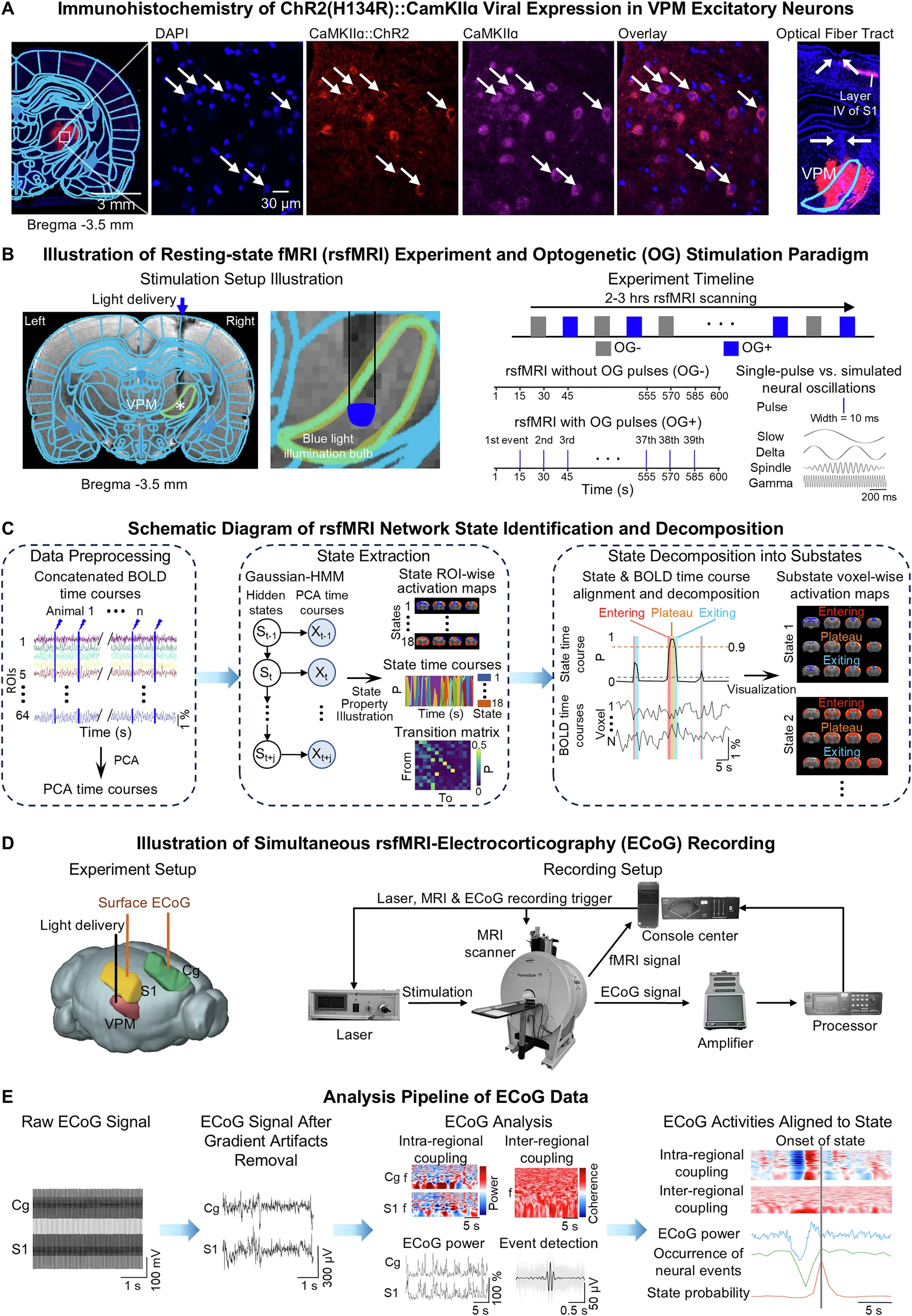
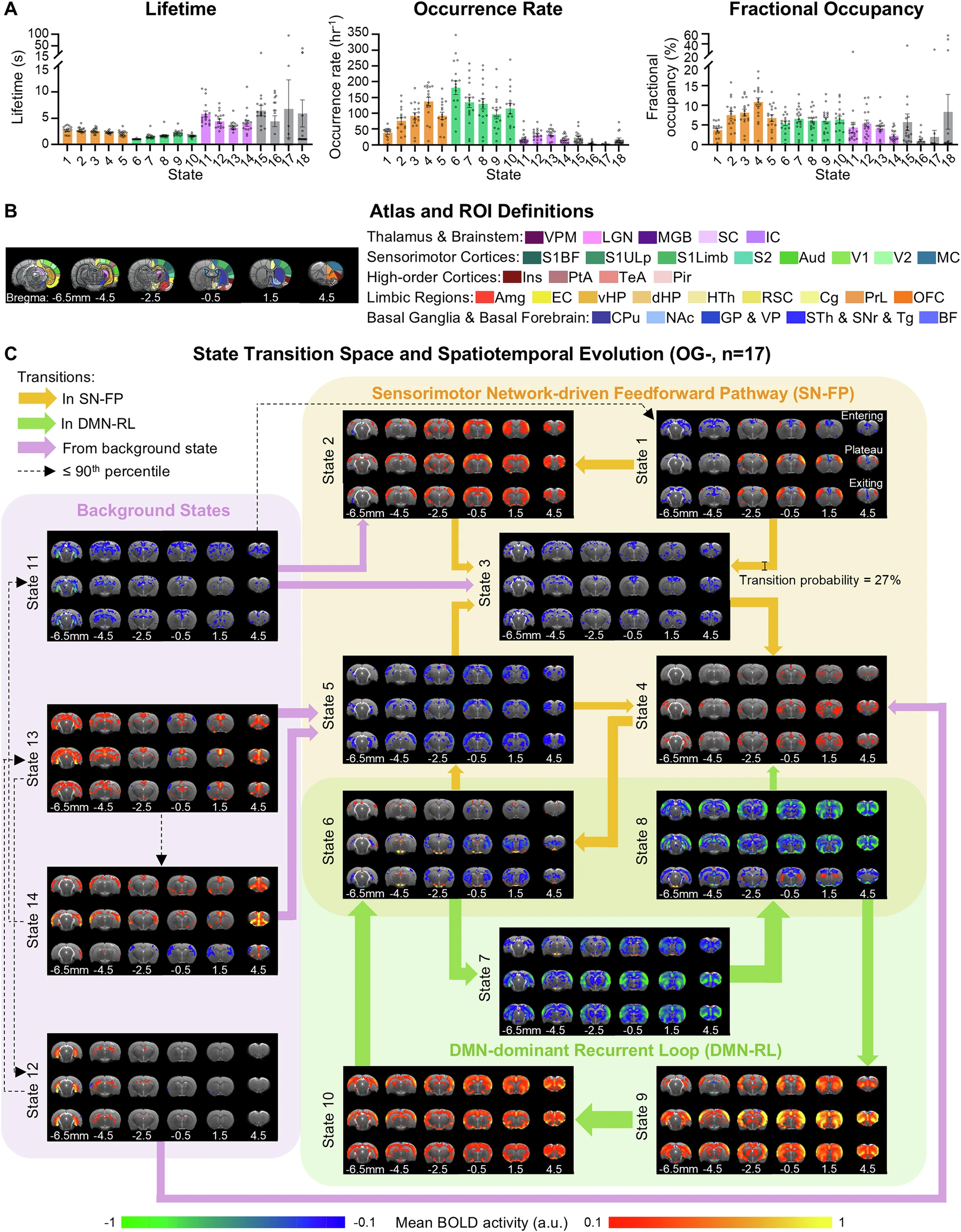
Illuminating the brain's inner workings. We deploy optogenetic neuromodulation with functional MRI (fMRI) to causally map brain-wide neural networks, revealing how neurons and circuits give rise to cognition, emotion, and behaviour.
The brain's complexity arises from the interactions of billions of neurons connected across vast distances. Our mission is to apply cutting-edge optogenetic fMRI technology to causally dissect how neural activity propagates through long-range axonal connections to orchestrate brain-wide functions. By combining cell-type-specific optogenetic control with whole-brain fMRI and electrophysiology readout, we achieve what no other technique can: causal neural manipulation with brain-wide quantitaive imaging at mesoscale resolution.
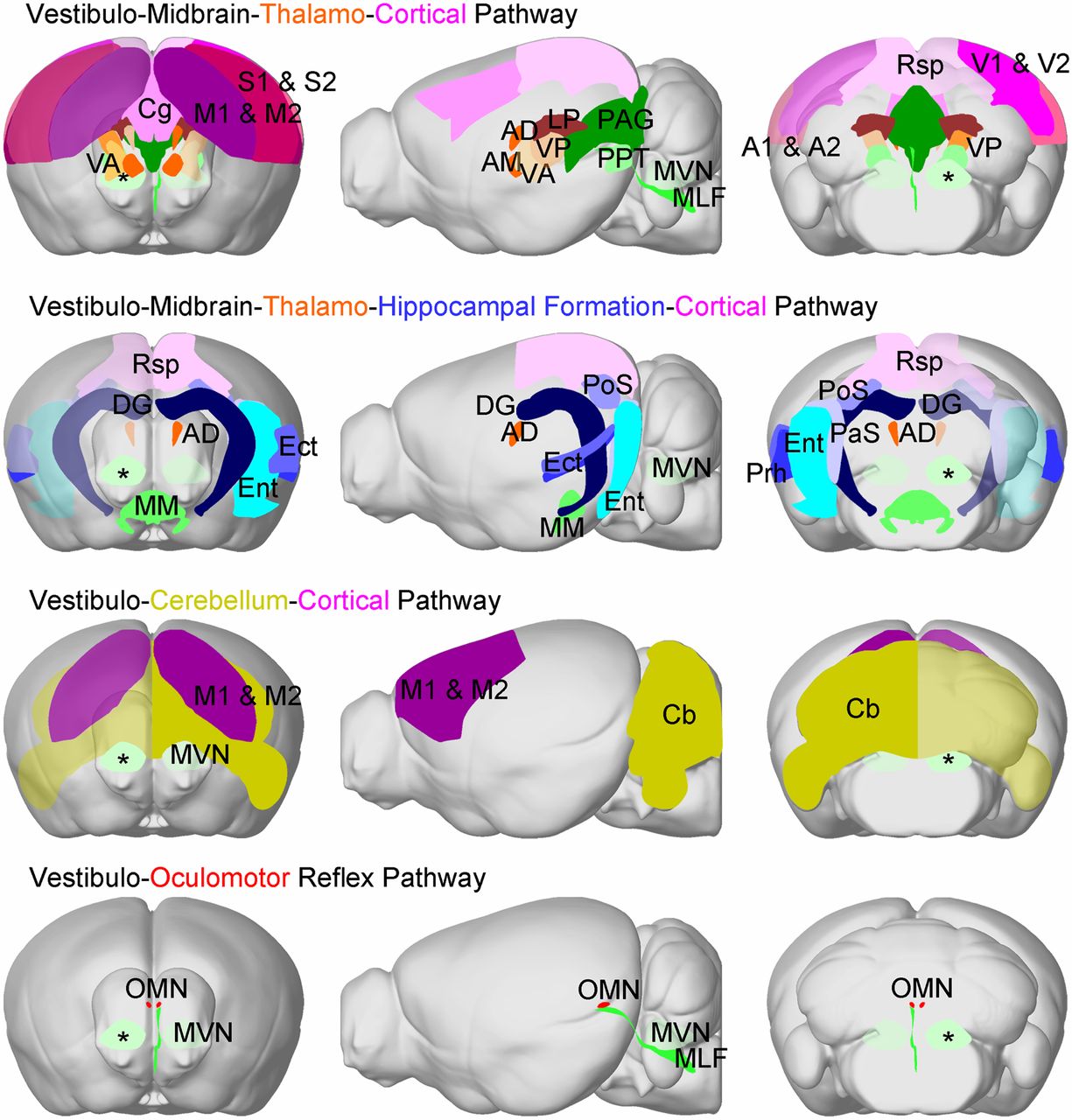
Map the neural activity propagation characteristics of specific neuronal populations, decoding the fundamental rules governing signal transmission across thalamo-cortical, hippocampal-cortical, cortico-cortical and vestibulo-cortical networks.
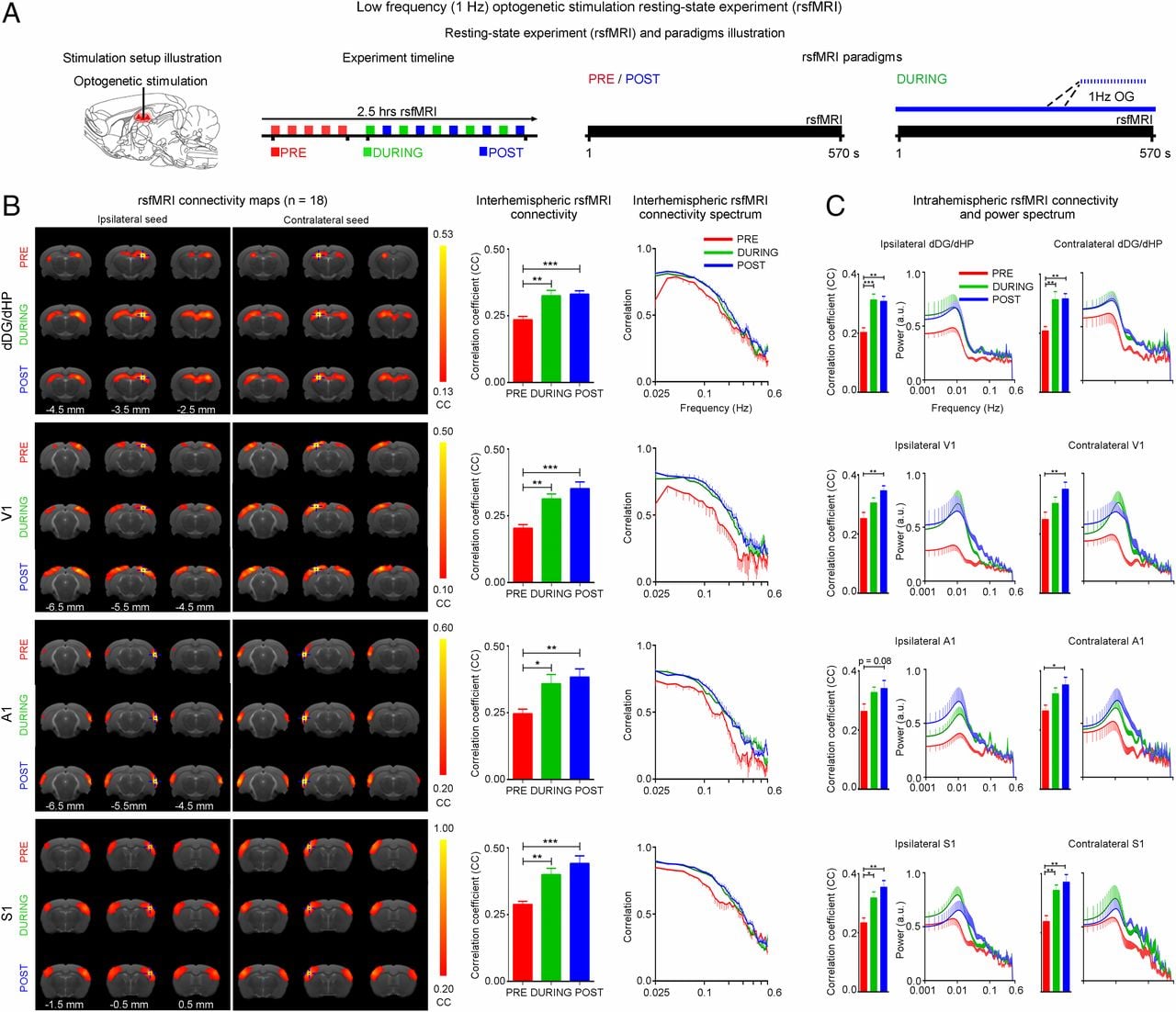
Uncover the causal neural underpinnings of resting-state functional connectivity, the only non-invasive and whole-brain quantititative functional neuroimaging measure whose origins remains poorly understood.
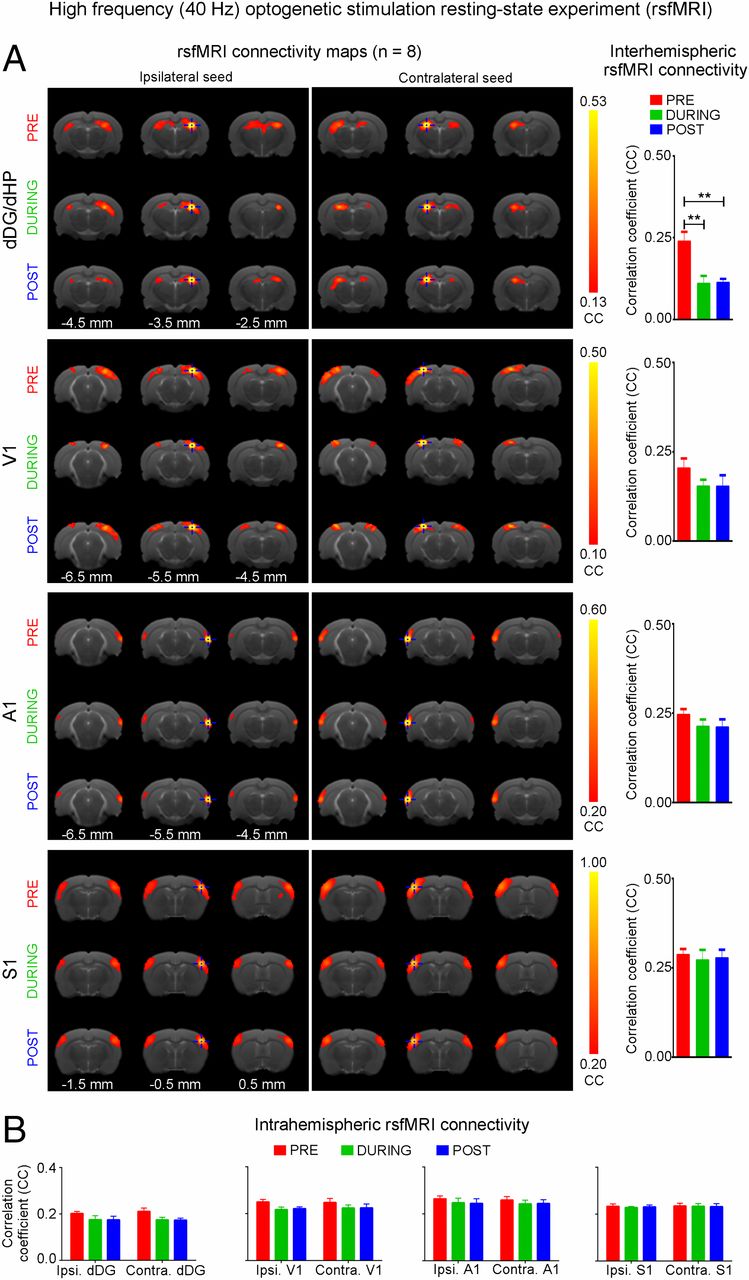
Demonstrated that single neural activity input can elicit rapid changes to resting-state fMRI connectivity, establishing the first causal link between single neural activity input and large-scale brain network organisation.
Discovered that brain-wide spatiotemporally distinct traveling waves drive anxiety-like behaviour via the dorsal hippocampal-prefrontal cortex pathway, revealing a novel circuit mechanism underlying emotional regulation.
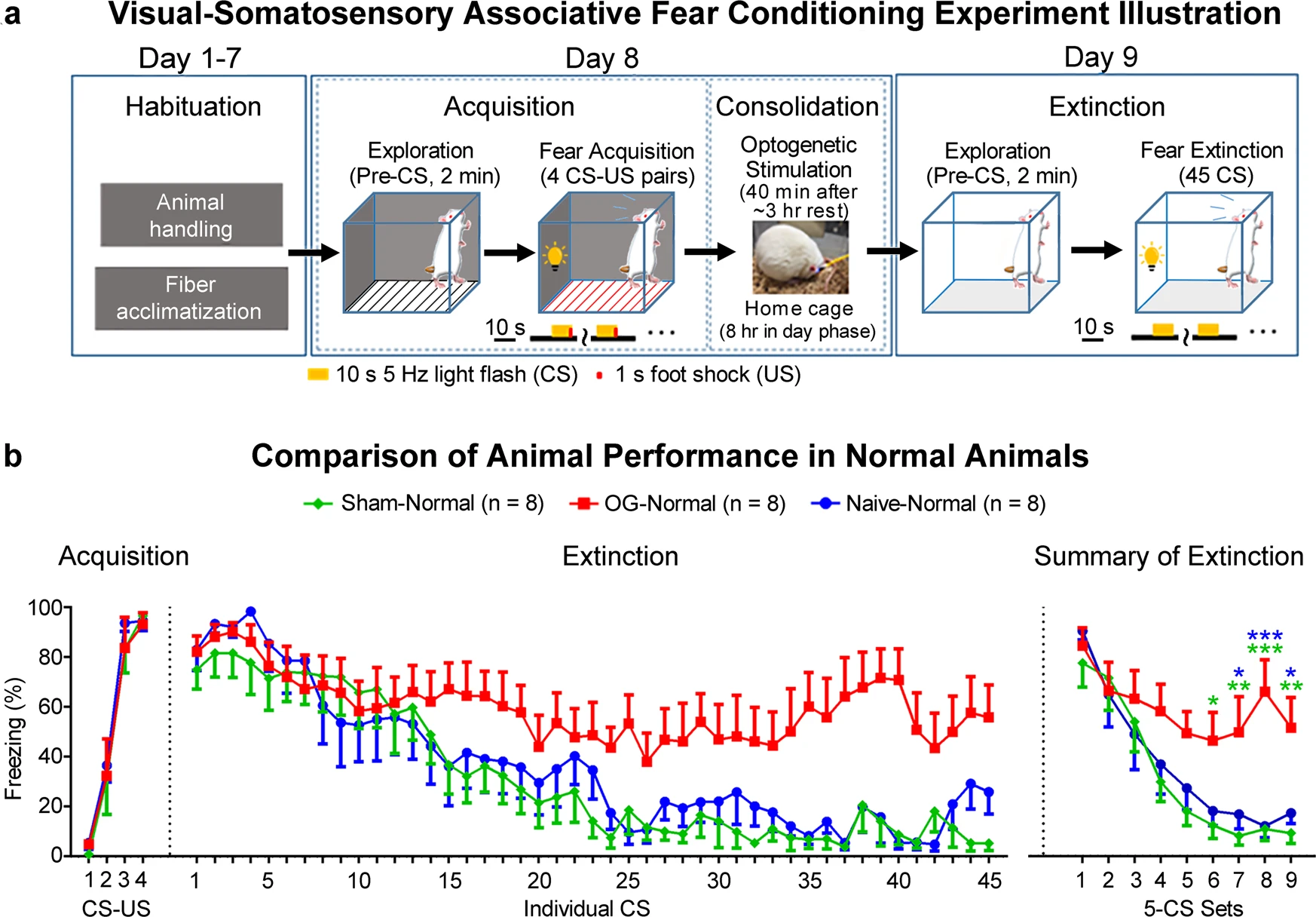
Revealed how thalamically-initiated spindle oscillatory activities act brain-wide to consolidate associative memory, demonstrating that specific temporal patterns of thalamic activity orchestrate distributed memory networks.
Demonstrated that astrocyte dysfunction drives abnormal resting-state functional connectivity in depression, identifying a non-neuronal cellular mechanism underlying circuit-level pathology in psychiatric disorders.
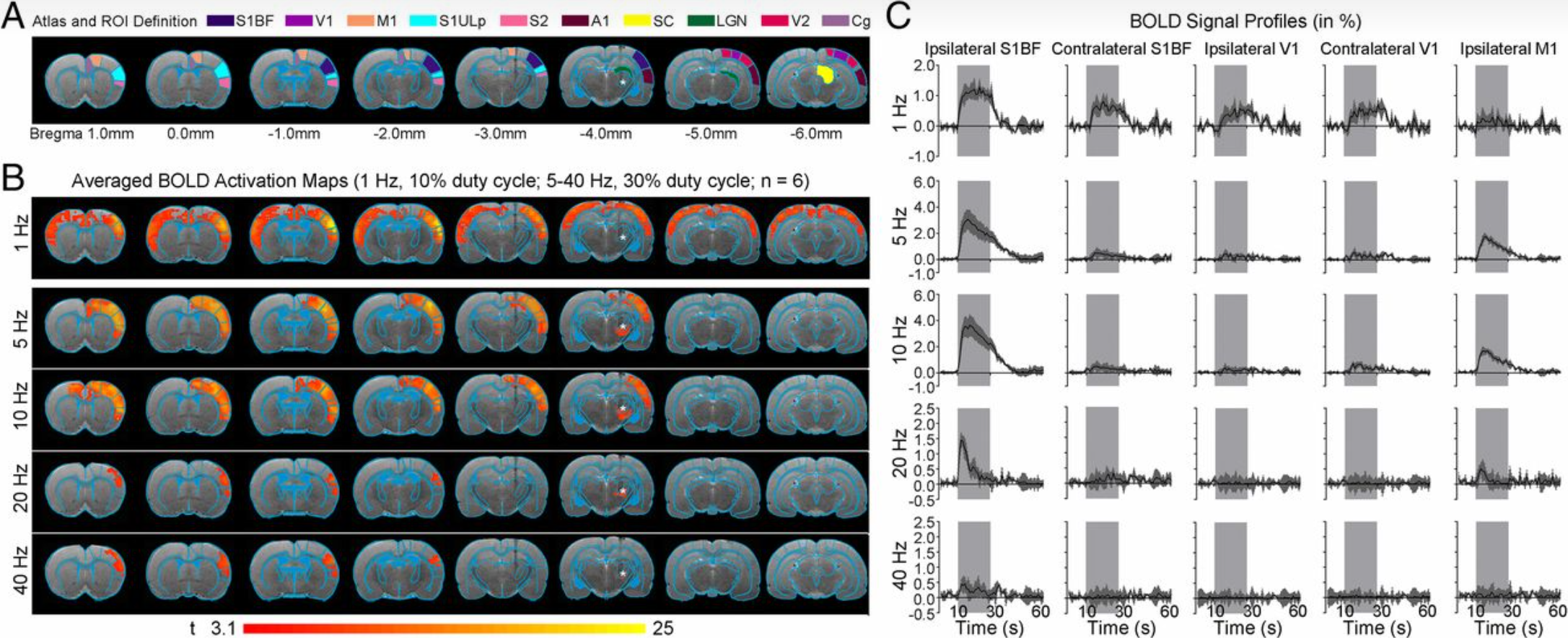
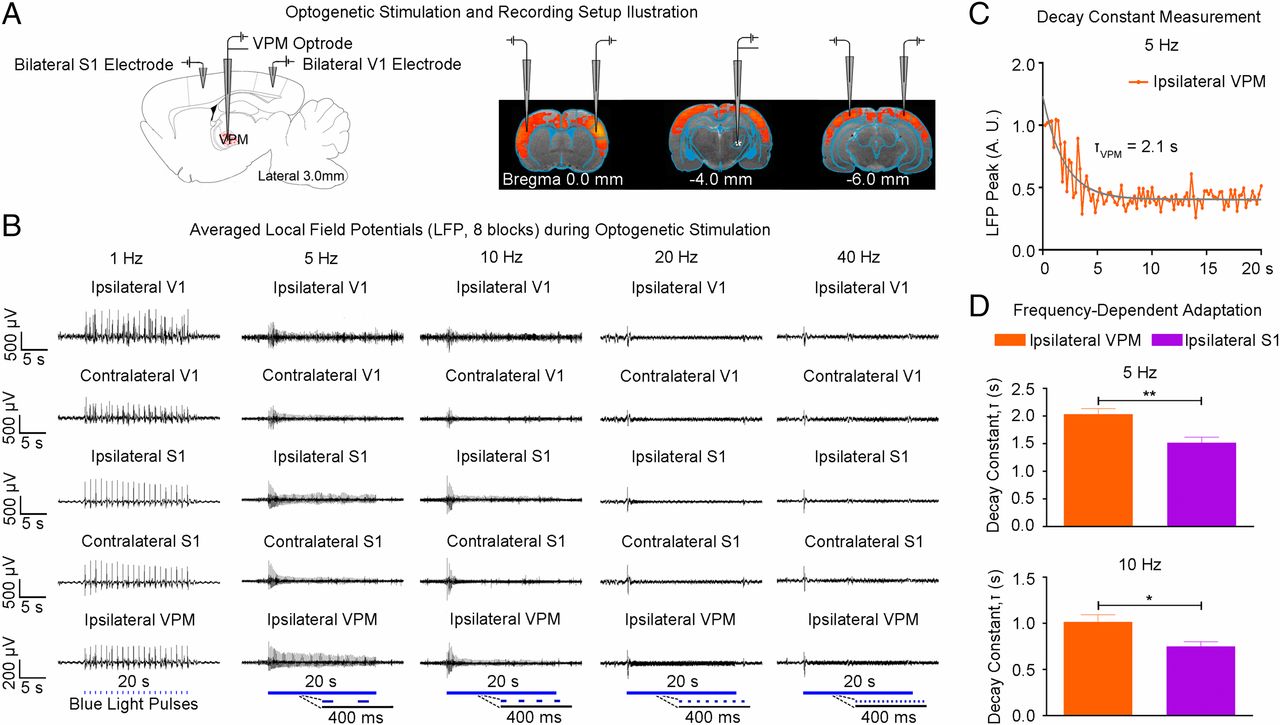
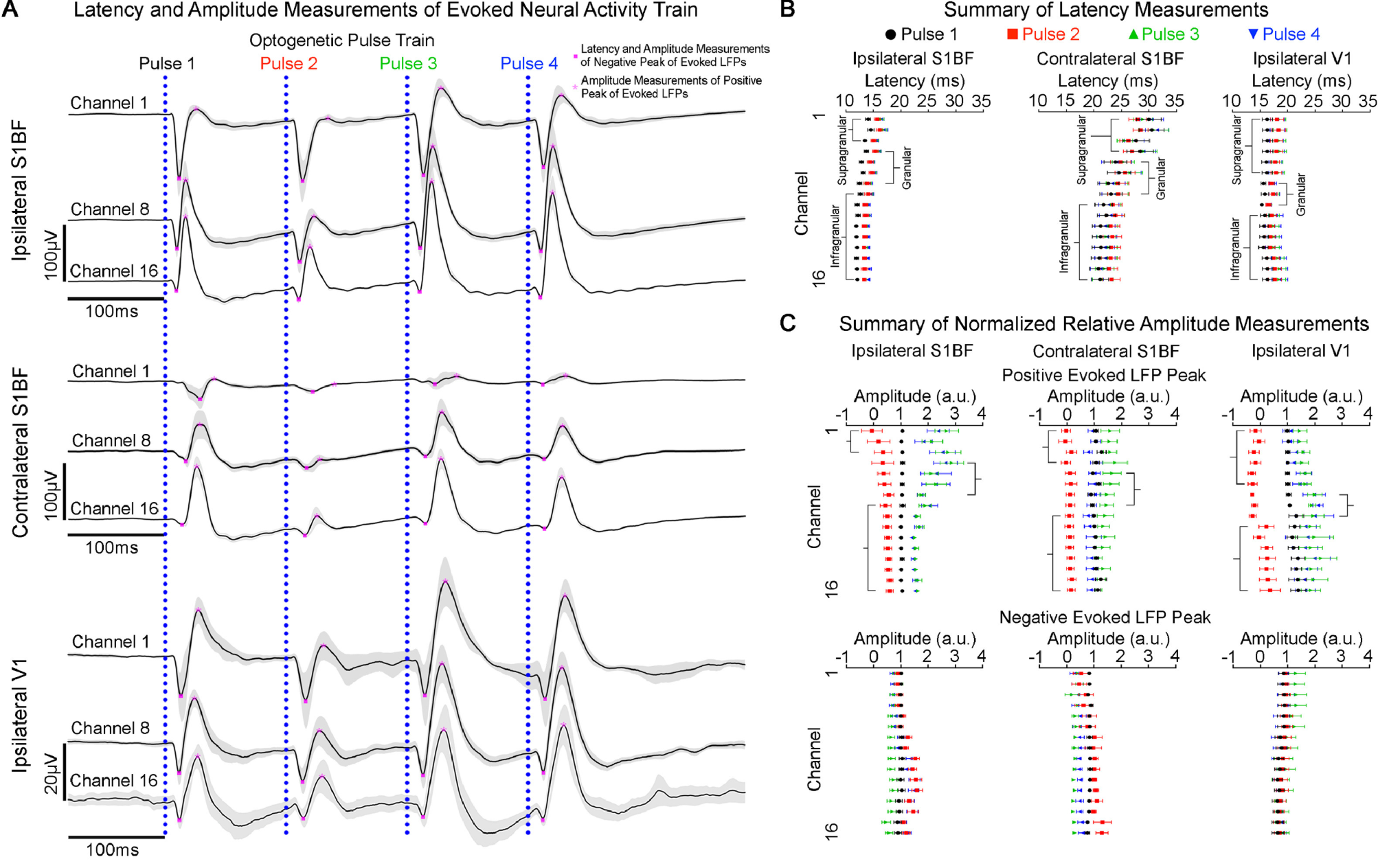
Published three landmark papers in PNAS establishing the optogenetic fMRI platform: demonstrating long-range neural activity coordination (2016), discovering that low-frequency hippocampal-cortical activity drives brain-wide resting-state connectivity (2017), and mapping complete brain-wide vestibular pathways (2019).
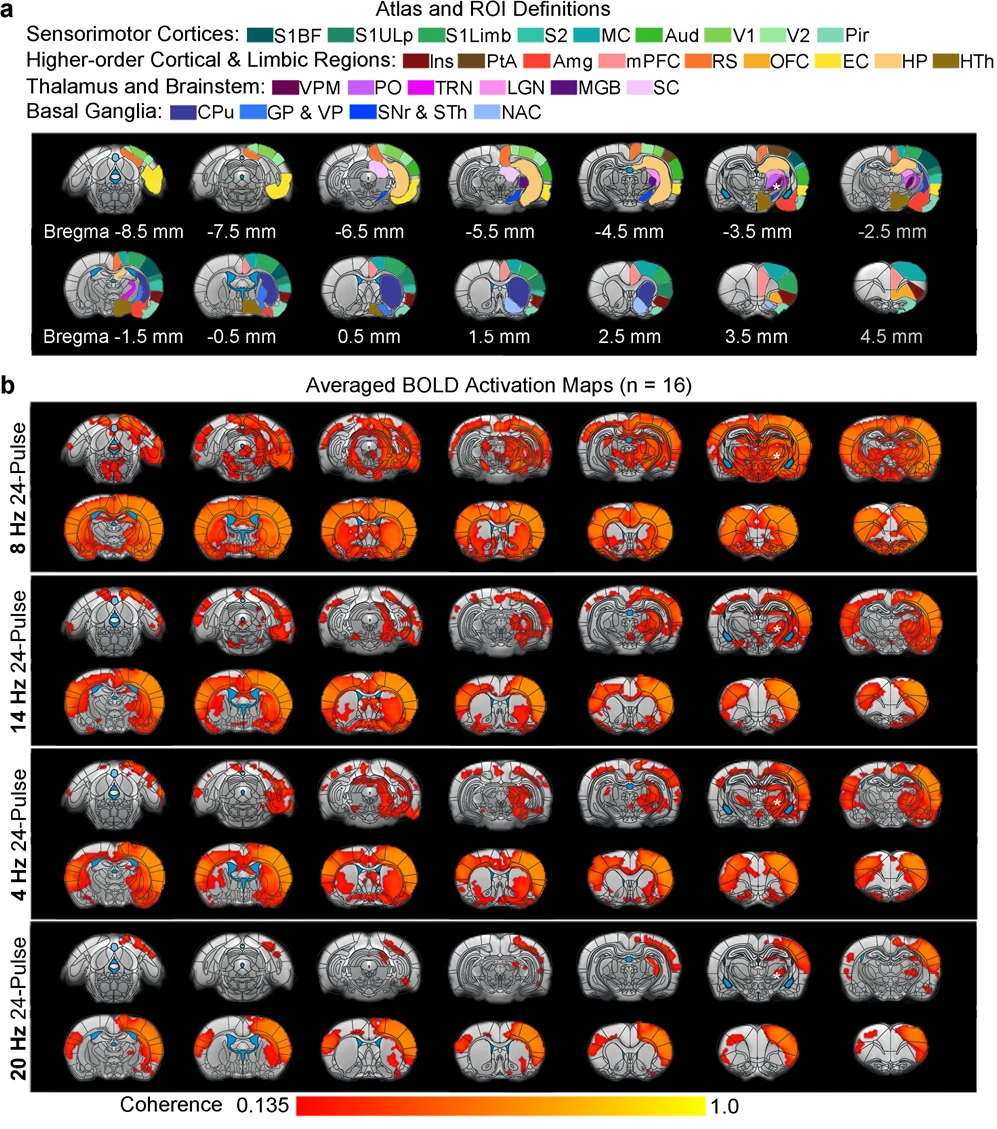
Established that neural activity temporal patterns dictate long-range propagation targets — different stimulation frequencies from the same brain region activate distinct downstream networks, revealing a fundamental principle of brain communication.
Our future research will leverage the causal circuit maps we have built to develop targeted neuromodulation therapies. By understanding precisely how traveling waves propagate, how single neurons influence brain-wide networks, and how astrocyte-neuron interactions shape functional connectivity, we aim to design circuit-specific interventions for depression, anxiety, and neurodegenerative diseases. We are also extending our platform to investigate how brain circuits reorganise during development, ageing, and disease progression — bridging the gap between fundamental neuroscience discovery and clinical translation.