Ultra-Low-Field Brain MRI for Point-of-Care Applications: A Technology Review — Published in Stroke
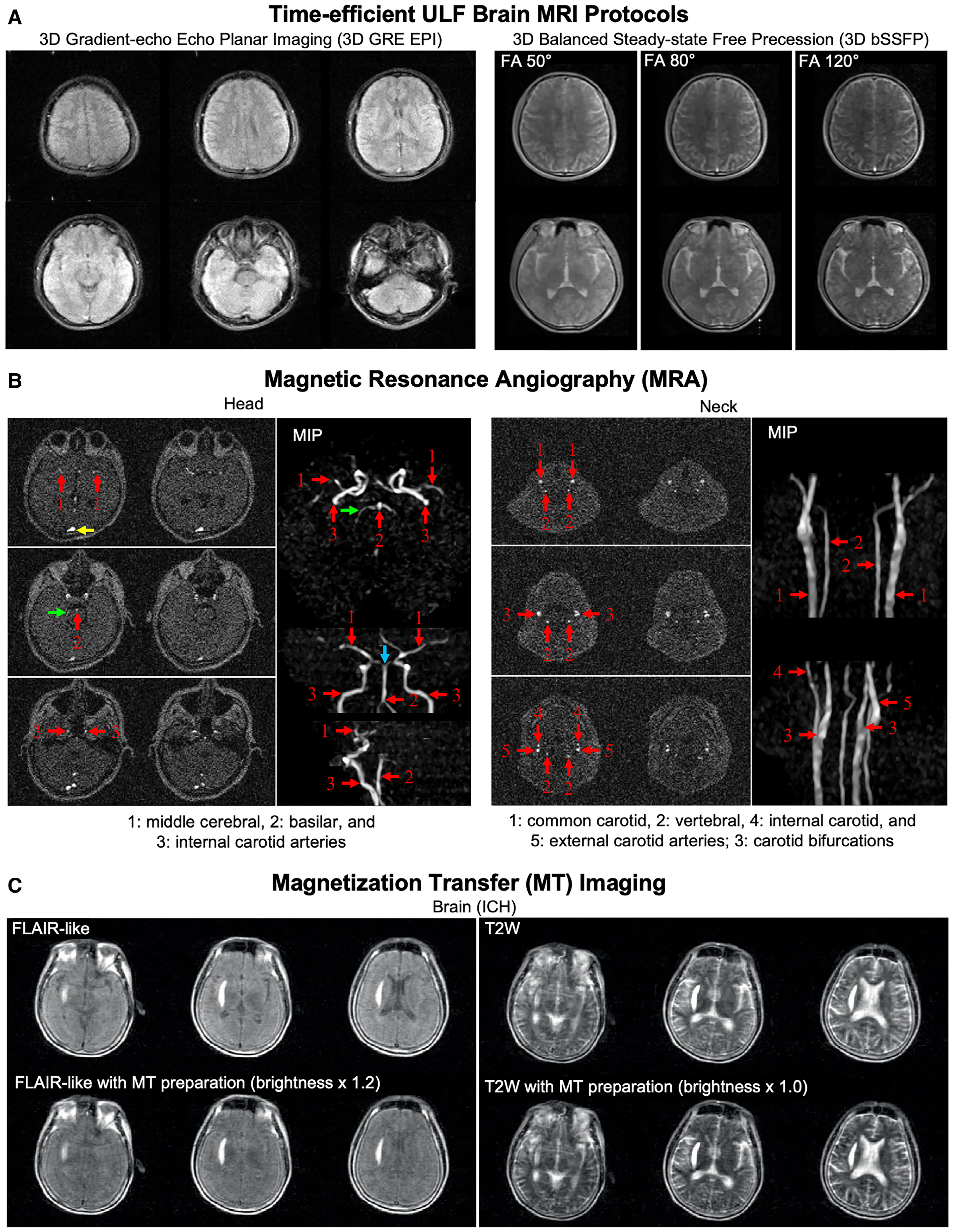
Our invited review surveys recent advances in ultra-low-field brain MRI that are enabling accessible point-of-care imaging, including scanner hardware, time-efficient imaging protocols, and computing-driven image formation and analysis.
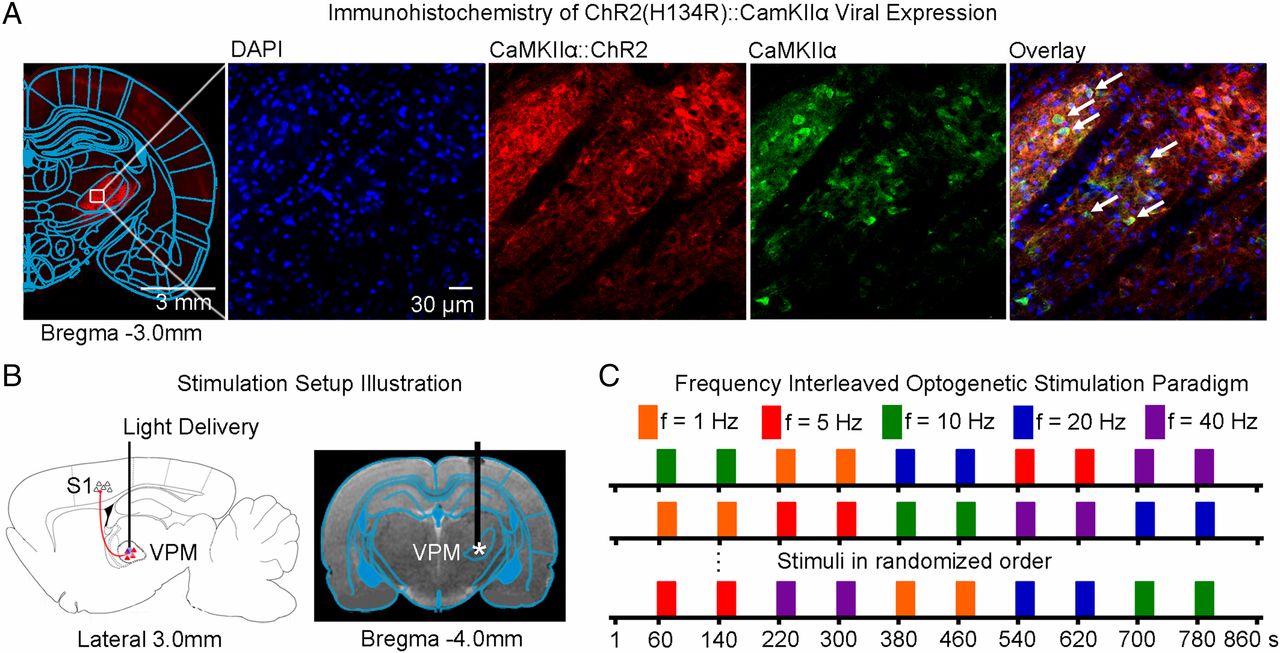
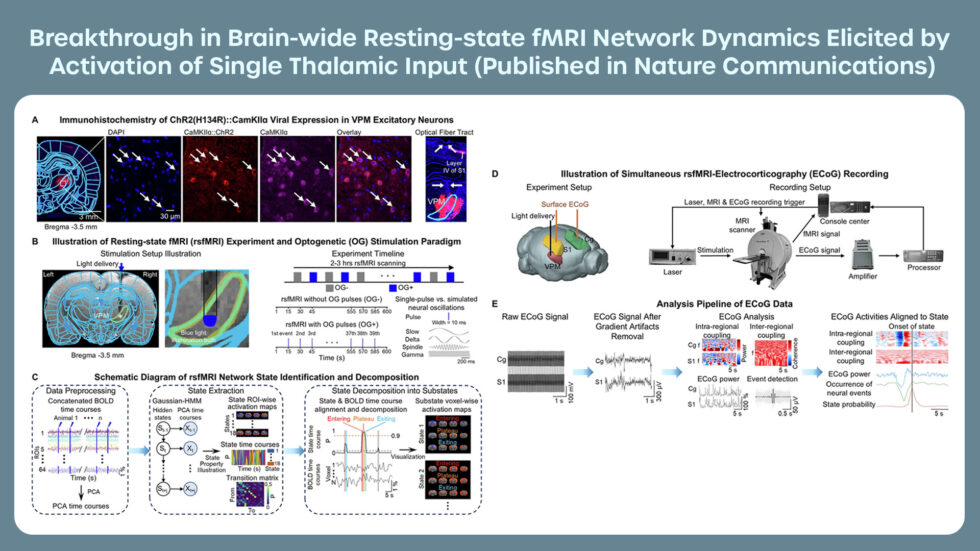
Brain-wide resting-state fMRI network dynamics elicited by activation of single thalamic input Published in Nature Communications
An article titled 'Brain-wide resting-state fMRI network dynamics elicited by activation of single thalamic input' has been published in Nature Communications. This study demonstrates how a single thalamic input can rapidly trigger brain-wide network reconfigurations to support fast processing of sensory information.
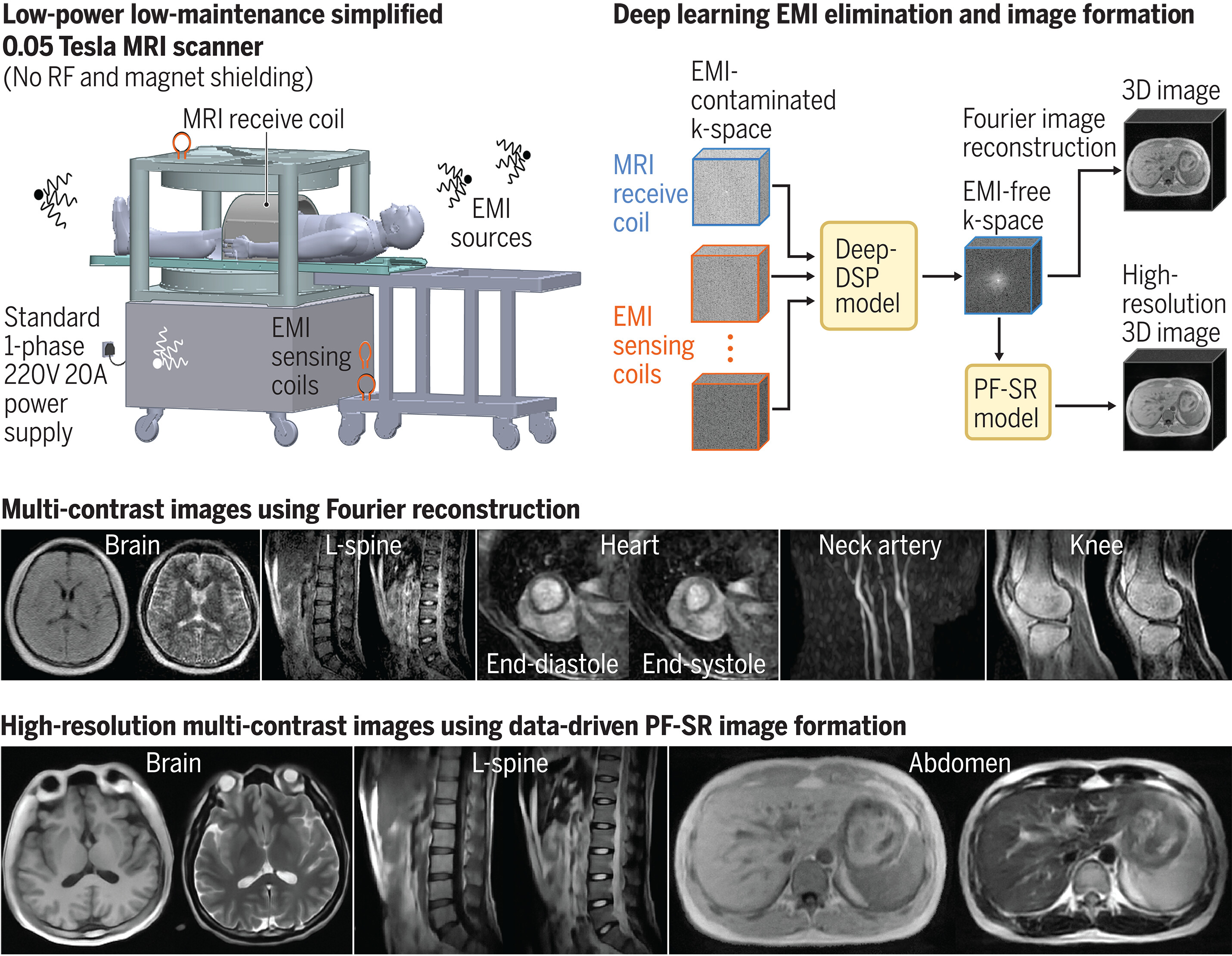
Whole-body MRI at 0.05 Tesla Published in Science
An article titled 'Whole-body magnetic resonance imaging at 0.05 Tesla' has been published in Science. This study demonstrates the feasibility of whole-body MRI at ultra-low field strength, opening new possibilities for highly accessible, affordable, and safer medical imaging worldwide.
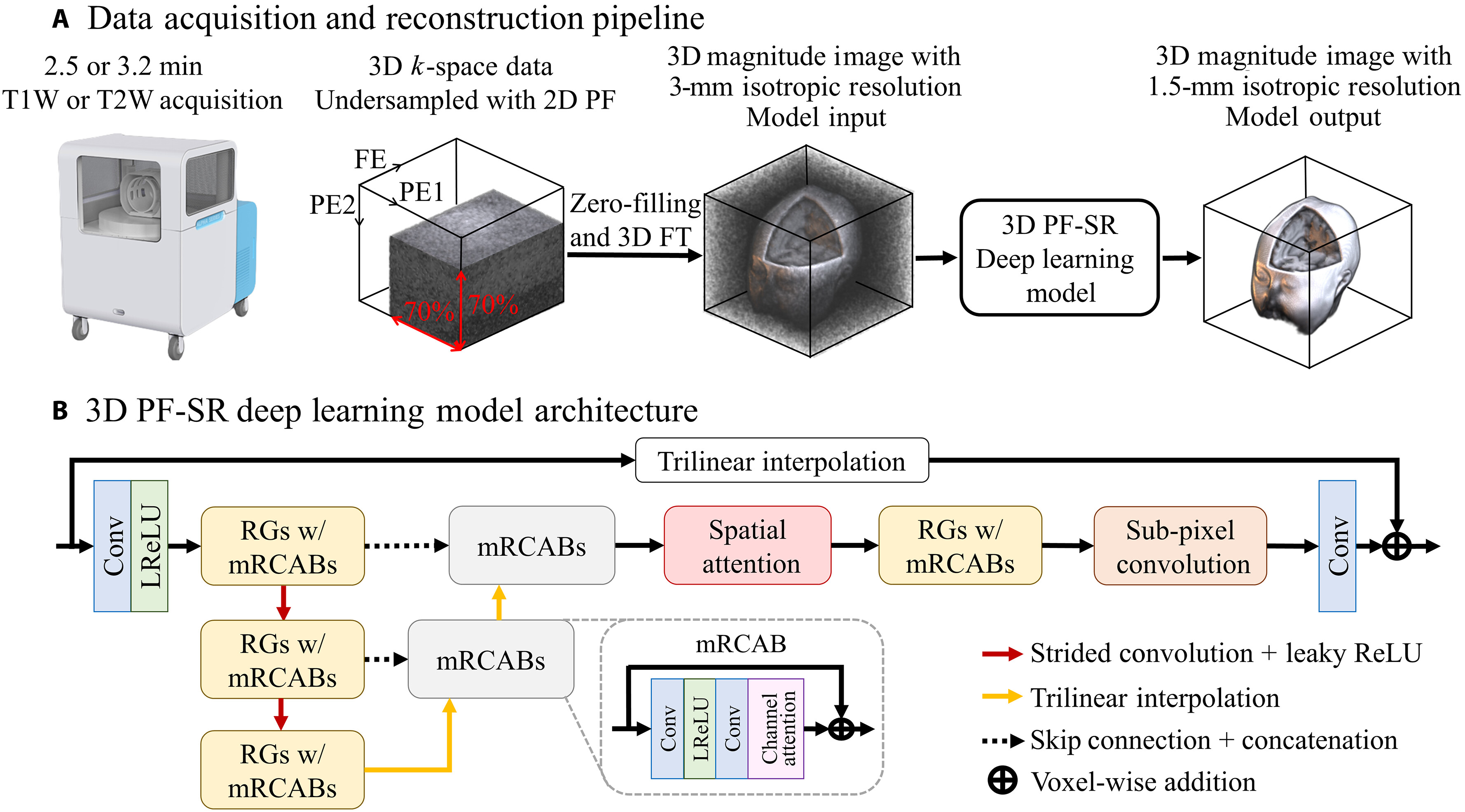
Deep learning enabled fast 3D brain MRI at 0.055 Tesla Published in Science Advances
An article titled 'Deep learning enabled fast 3D brain MRI at 0.055 tesla' has been published in Science Advances. This study demonstrates a novel fast acquisition and deep learning reconstruction framework that accelerates high-quality whole-brain MRI at ultra-low field strength.
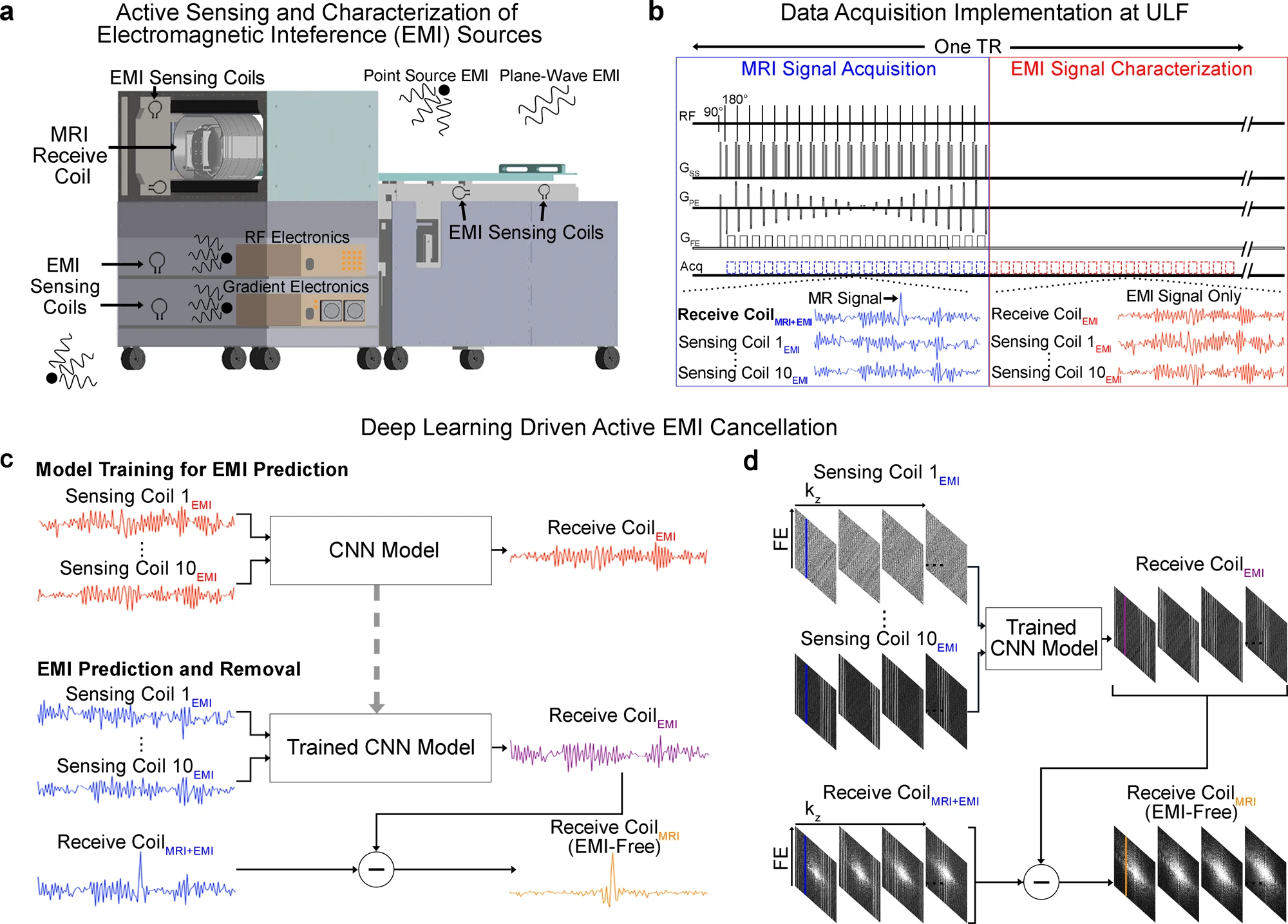
A low-cost and shielding-free ultra-low-field brain MRI scanner Published in Nature Communications
An article titled 'A low-cost and shielding-free ultra-low-field brain MRI scanner' has been published in Nature Communications. This study demonstrates the technical and clinical feasibility of a compact, affordable 0.055 Tesla brain MRI scanner that operates without the need for magnetic or radiofrequency shielding cages.
Functional MRI reveals brain-wide actions on thalamically-initiated oscillatory activities on associate memory consolidation Published in Nature Communications
An article titled 'Functional MRI reveals brain-wide actions on thalamically-initiated oscillatory activities on associate memory consolidation' has been published in Nature Communications. This study demonstrates how specific oscillatory activities initiated in the thalamus influence widespread functional networks critical for the consolidation of associative memory.
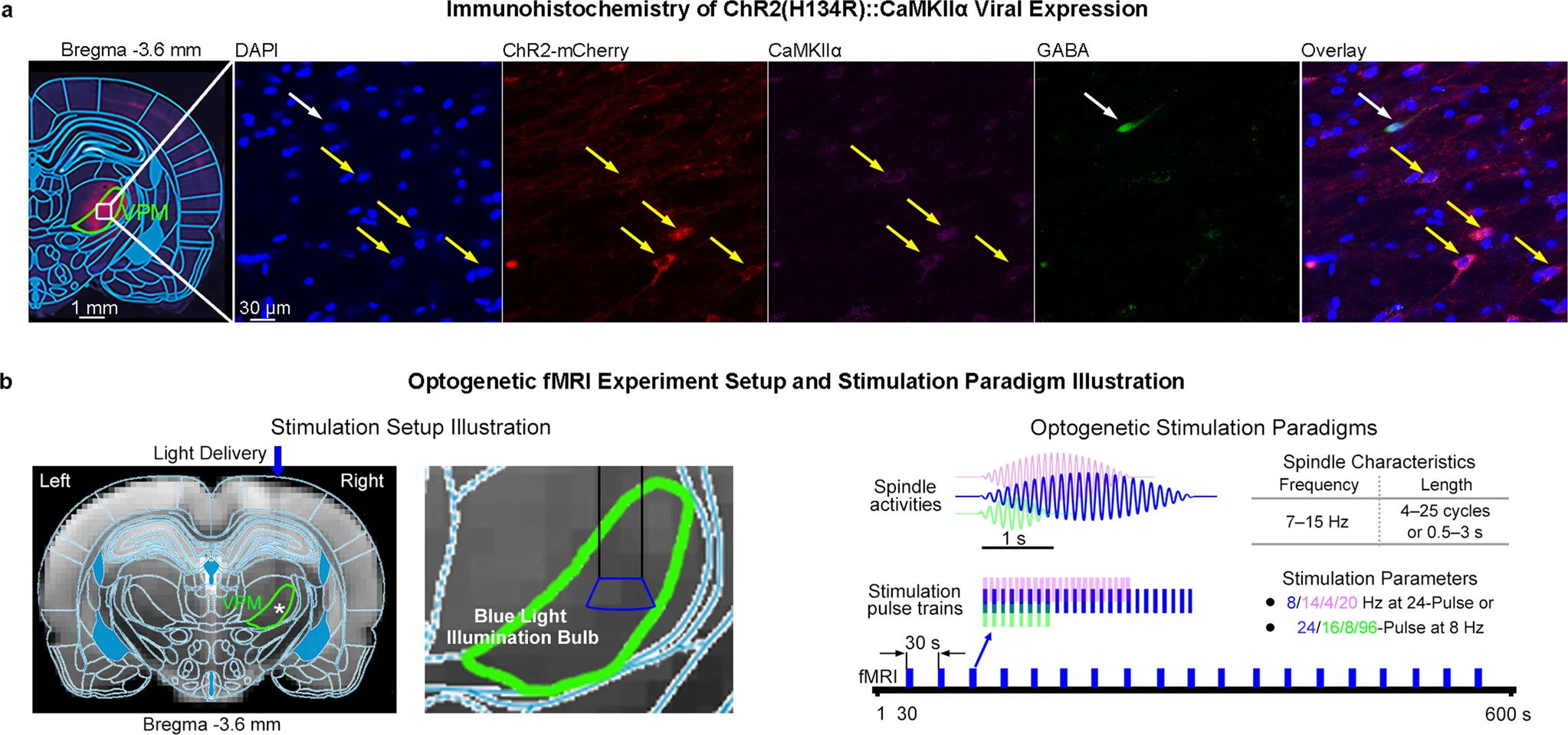
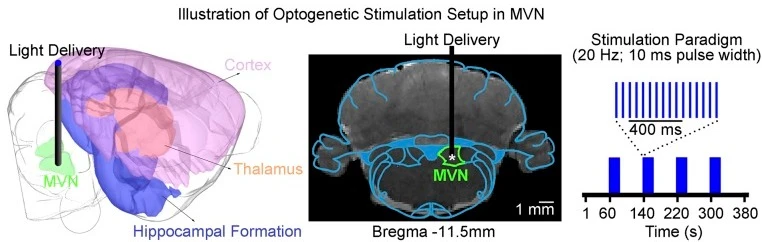
Optogenetic fMRI interrogation of brain-wide vestibular pathways Published in PNAS
An article titled 'Optogenetic fMRI interrogation of brain-wide vestibular pathways' has been published in the Proceedings of the National Academy of Sciences. By combining optogenetics with functional MRI, this research maps and interrogates complex vestibular networks, offering unprecedented insights into how the brain processes spatial orientation and balance.
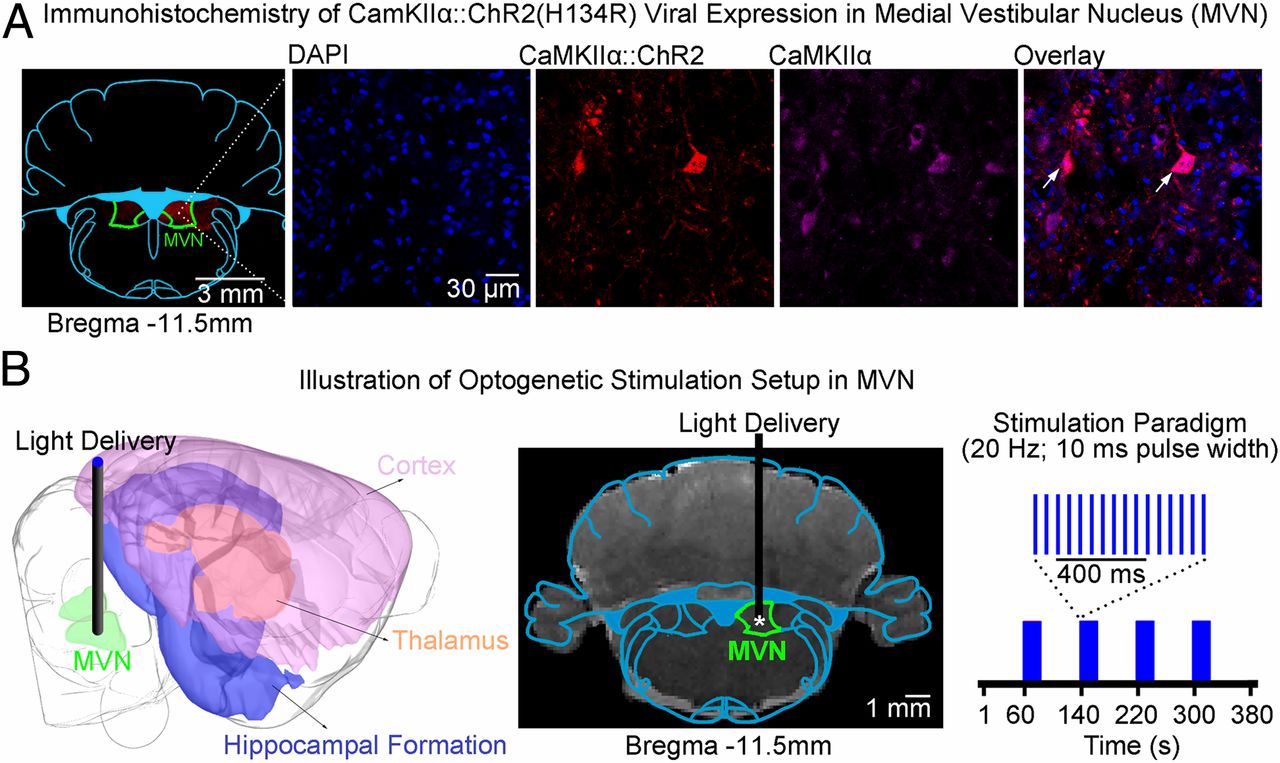
Low-frequency hippocampal-cortical activity drives brain-wide resting-state functional MRI connectivity Published in PNAS
An article titled 'Low-frequency hippocampal-cortical activity drives brain-wide resting-state functional MRI connectivity' has been published in the Proceedings of the National Academy of Sciences. This pivotal study reveals that low-frequency neural signals originating in the hippocampus act as fundamental drivers of large-scale, resting-state cortical connectivity.
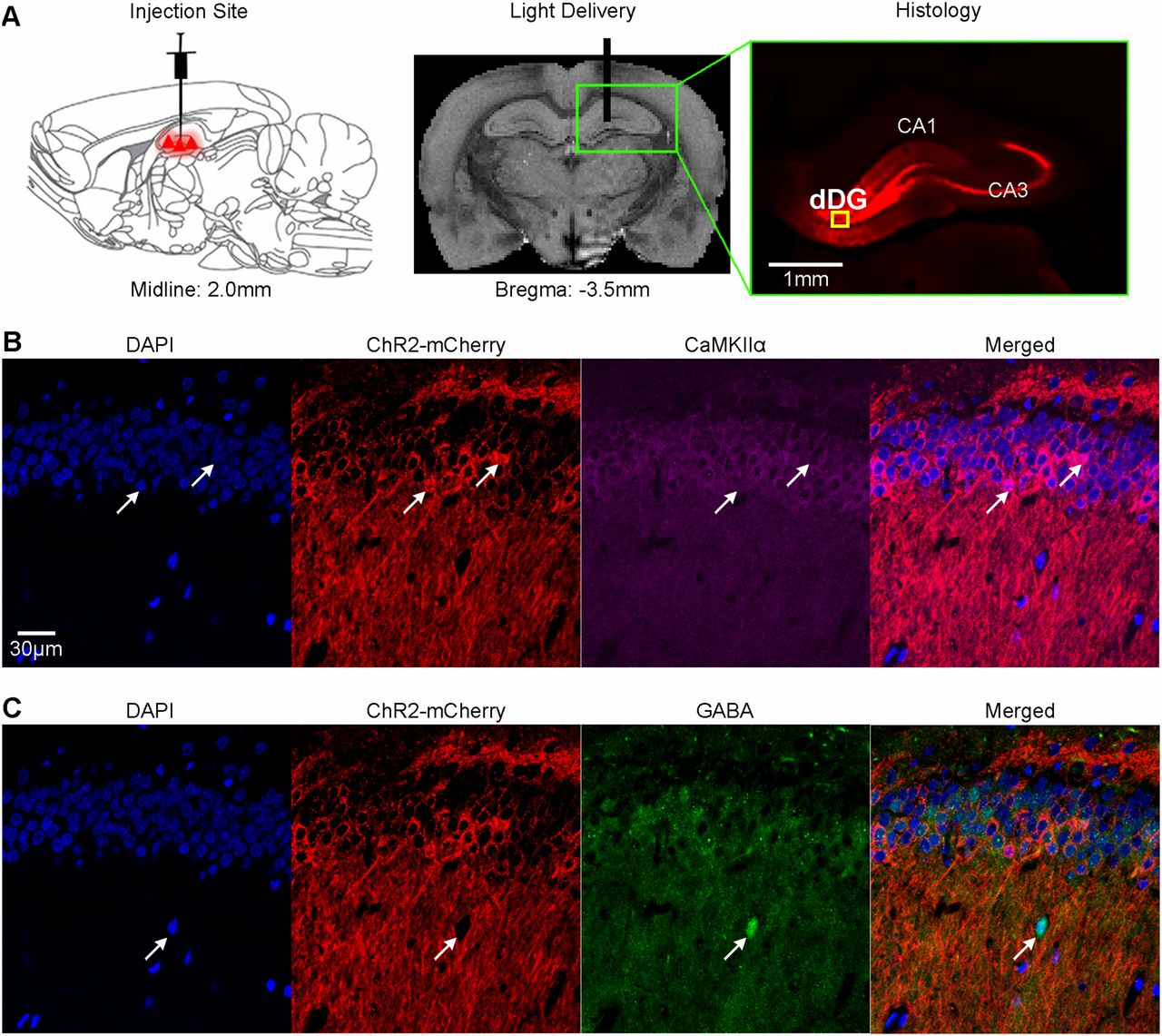
Long-range projections coordinate distributed brainwide neural activity with a specific spatiotemporal profile Published in PNAS
An article titled 'Long-range projections coordinate distributed brainwide neural activity with a specific spatiotemporal profile' has been published in the Proceedings of the National Academy of Sciences. This foundational research unveils how long-range neural projections synchronize widespread brain activity, governing the spatiotemporal dynamics of large-scale functional networks.